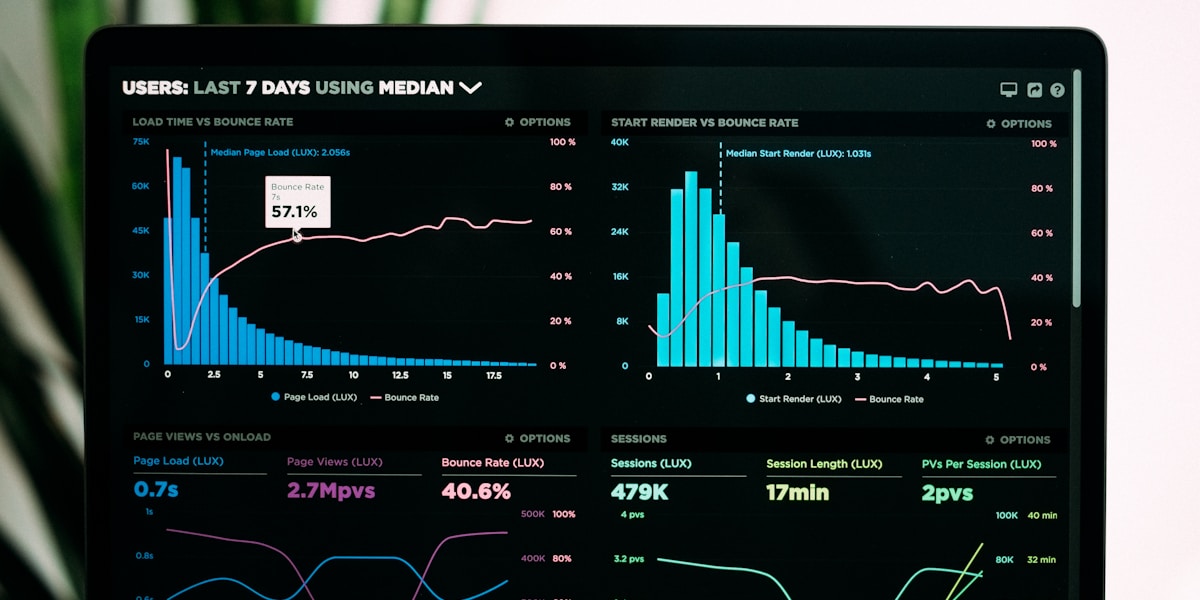
For the past two decades, content optimisation has been overwhelmingly text-centric. Keywords, headings, meta descriptions, body copy: the entire SEO and now GEO toolkit has revolved around the written word. But AI search is moving beyond text. Multimodal AI models, systems that process text, images, audio, and video simultaneously, are now the default for major AI platforms. Google Gemini is natively multimodal. GPT-4 and its successors process images alongside text. Perplexity is increasingly incorporating visual results into its answers. For brands that want sustained AI visibility, optimising text alone is no longer sufficient.
This article examines how AI models process multimodal content, which visual and multimedia formats have the greatest impact on citation rates, and how to integrate multimodal content production into your existing content pipeline. The shift to multimodal is not a distant trend. It is happening now, and the brands that adapt first will capture a disproportionate share of AI citations as visual search capabilities expand.
Why Text Alone Is No Longer Enough
The rise of multimodal AI search is driven by a fundamental shift in how users interact with AI systems. Queries are becoming more complex, more visual, and more context-dependent. A user asking an AI model to compare pricing models does not just want a paragraph of text. They want a table, a chart, a visual comparison they can interpret at a glance. A user researching a technical process wants diagrams and flowcharts alongside explanatory text. AI models are being engineered to deliver these richer responses, and they can only do so if the source content provides multimodal elements to draw from.
Google reported that multimodal AI search queries grew by 178% in 2025, and the trajectory in 2026 shows no signs of slowing. Users are uploading images to search, asking for visual explanations, and expecting AI responses that combine text, data visualisations, and structured comparisons. Content that provides only text is systematically disadvantaged in this environment because it cannot contribute to the visual components of AI-generated responses.
The impact on citation rates is already measurable. Articles that include data visualisations receive 2.3 times more AI citations than text-only articles covering the same topic, according to Aether Research from early 2026. This gap is widening as multimodal capabilities improve and users increasingly expect rich, visual AI responses.
How AI Models Process Multimodal Content
Understanding how AI models handle non-text content is essential for creating multimodal elements that actually improve your visibility. Modern multimodal models do not process images and text in separate silos. They encode both modalities into a shared representation space, allowing the model to reason about the relationship between a chart and its surrounding text, a diagram and its caption, or a table and the paragraph that references it.
Vision-Language Understanding
Models like GPT-4 Vision and Google Gemini use vision-language architectures that can extract structured information from images. A bar chart showing year-over-year growth rates can be read, interpreted, and cited just as a textual statistic can. A comparison table rendered as an image can be parsed and its data points extracted. This means that visual content is no longer opaque to AI systems. It is readable, interpretable, and citable.
However, the reliability of visual extraction varies significantly based on the clarity of the visual content. Charts with clear labels, high contrast, and simple layouts are parsed far more accurately than complex, cluttered visualisations. For AI visibility purposes, visual simplicity is a feature, not a limitation. Clean, well-labelled visualisations with branded styling and clear data annotations perform best because they are both human-readable and machine-parsable.
The Role of Alt Text and Structured Data
While AI models are increasingly capable of reading visual content directly, alt text and structured data remain critical accessibility and optimisation signals. Comprehensive alt text that describes not just the visual appearance but the informational content of an image provides a textual anchor that retrieval systems can index. A well-structured JSON-LD markup for images and data visualisations further enhances discoverability by providing explicit, machine-readable context about what the visual content represents.
"The next frontier of content marketing is not about writing better. It is about presenting information in the format that matches how people and machines actually want to consume it. Text is necessary but no longer sufficient."
-- Ross Simmonds, Founder, Foundation Inc.
Content Types That Boost AI Visibility
Not all visual content contributes equally to AI visibility. Stock photography, while aesthetically pleasing, provides negligible informational value to AI models and does not improve citation rates. The visual content types that measurably increase AI citations are those that convey unique data, structured comparisons, or process information that would otherwise require lengthy textual explanation.
Branded Data Charts and Graphs
Data visualisations that present original research findings, proprietary data, or curated statistics in a branded visual format are the single most impactful multimodal element for AI visibility. A chart showing industry trends with your brand's visual identity becomes a citable visual asset that AI models can reference when constructing data-rich responses. OG images featuring branded data charts increase click-through rates from AI citations by 45%, according to Aether client data, because users recognise the chart as containing valuable, specific information rather than generic illustration.
Comparison Tables With Structured Markup
Comparison tables are disproportionately cited by AI models because they present structured, extractable information in a format that is trivially easy for both humans and machines to parse. A table comparing five competing approaches with clear column headers and data cells provides more citable information per pixel than any other visual format. When these tables are rendered in HTML with proper table, thead, and tbody markup rather than as images, they become even more accessible to AI retrieval systems.
Process Diagrams and Flowcharts
For content that explains procedures, workflows, or decision processes, diagrams and flowcharts provide a visual summary that AI models can reference alongside the textual explanation. A well-labelled process diagram with descriptive alt text gives the AI model a concise representation of a complex process that it can cite when answering procedural queries.
Original Infographics With Research Data
Infographics that present original research data in a visually compelling format serve dual purposes. They function as standalone shareable assets that earn backlinks and social distribution, and they provide AI models with rich visual content that supports citation. The key distinction is originality. An infographic that restates publicly available information offers marginal value. An infographic that presents proprietary research findings, unique survey data, or novel analysis creates a visual asset that cannot be found elsewhere, making it inherently more citable.
Automating Multimodal Content Production
The practical challenge of multimodal content is production complexity. Creating data visualisations, branded charts, and custom diagrams for every article requires design resources that most content teams do not have at scale. This is where automated pipeline integration becomes essential.
Pipeline-Integrated Visual Generation
Modern AI content pipelines can identify data points within an article that would benefit from visual representation and automatically generate the appropriate visual format. When the pipeline encounters a set of comparative statistics, it can generate a branded comparison chart. When it identifies a multi-step process, it can produce a flowchart diagram. When the article includes a dataset with multiple variables, the pipeline can create an appropriate data visualisation, whether a bar chart, line graph, or scatter plot, based on the data characteristics.
The generated visuals are produced in the brand's visual style, with consistent colour palettes, typography, and layout patterns, ensuring that all multimodal content is visually cohesive with the publishing brand. Alt text, captions, and structured data markup are generated simultaneously, ensuring that every visual element is fully optimised for both accessibility and AI discoverability.
The Quality Scoring Dimension
The quality scoring framework should include a multimodal dimension that evaluates whether an article includes appropriate visual elements, whether those elements are properly captioned and marked up, and whether the visual content adds genuine informational value beyond what the text provides. Articles that score highly on the multimodal dimension consistently outperform those that score poorly, even when other quality dimensions are comparable.
"We stopped thinking of images as decoration and started thinking of them as data. That single mindset shift increased our AI citation rate by 40% in the first quarter."
-- Aether Insights, 2026
Key Takeaway
Text-only content optimisation is no longer sufficient for AI visibility. Multimodal AI models process text, images, charts, and data visualisations as integrated information sources, and articles with data visualisations receive 2.3x more citations than text-only equivalents. The highest-impact multimodal formats are branded data charts, comparison tables with structured markup, process diagrams, and original research infographics. Automating multimodal content generation within your pipeline ensures that every article includes appropriate visual elements without requiring manual design work, producing OG images with branded charts that increase click-through from AI citations by 45%.
Go Beyond Text-Only Content
Aether AI's pipeline automatically generates branded data visualisations, comparison tables, and structured visual content that maximise your AI citation potential.
Start Your Free Trial